A transactional SMS API sends the messages your users actually need — OTPs, order confirmations, payment alerts — as opposed to promotional blasts. In India that means one thing above all: DLT. Every sender, header and template must be registered, and the route your message takes decides whether an OTP lands in three seconds or three minutes. Here is what separates a serious transactional SMS API from a cheap one, and how SMS now works alongside WhatsApp rather than against it.
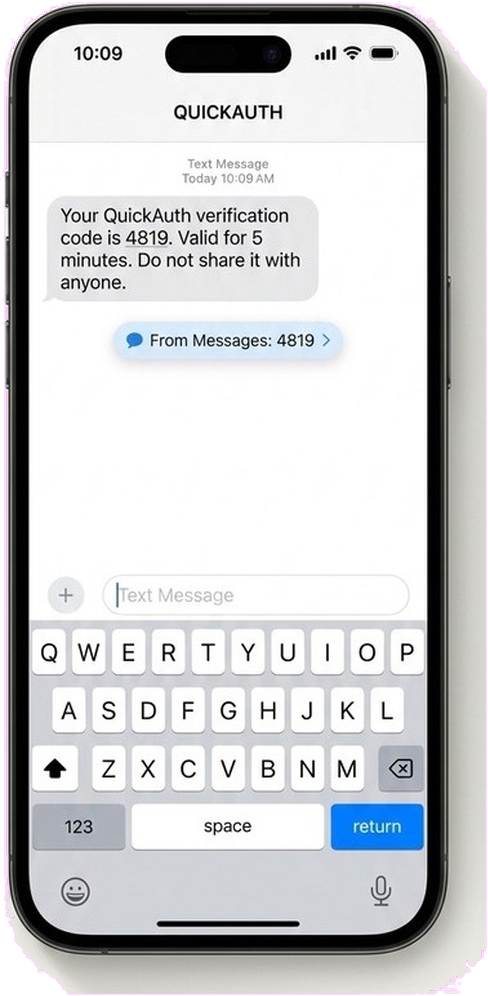
Transactional vs promotional SMS in India
Indian SMS is split by intent. Transactional and service-implicit traffic — OTPs, alerts, confirmations tied to a user action — can reach users at any time, including on DND numbers, because they are expected. Promotional SMS is time-restricted and DND-limited. Getting your traffic categorised and registered correctly is what keeps critical messages like OTPs flowing. If you are new to this, start with the DLT registration guide.
What actually decides SMS delivery: the route
Two providers can quote the same price and deliver completely differently, because delivery is about routes, not rate cards. A direct operator connection carries OTPs in a couple of seconds; a cheap aggregated or grey route adds hops, latency and failures — fatal for an OTP that expires in 60 seconds. When you evaluate a transactional SMS API, the real questions are:
- Are these direct operator routes, or resold aggregated ones?
- What is the p95 delivery time for an OTP, not the average?
- Do they handle DLT — sender IDs and templates registered for you, or left to you?
- Is there delivery reporting you can actually see per message?
What a good transactional SMS API handles for you
- DLT, done for you. Sender IDs (headers) and content templates registered and mapped, so you are not stuck in TRAI paperwork.
- Sub-3s OTP delivery on direct routes, with the latency budget that a 60-second OTP demands.
- A clean send-and-verify API — the same simplicity you would expect from an OTP API.
- INR billing and per-message delivery logs you can reconcile.
SMS and WhatsApp are better together
The old debate was SMS or WhatsApp. In 2026 the strong pattern is both, with fallback. WhatsApp OTP is cheaper and richer where the user has WhatsApp; SMS is the universal safety net that reaches every phone. Send on the cheaper channel first, fall back automatically when it is not delivered — the mechanics are in WhatsApp OTP with SMS fallback. That is only painless if both channels live behind one API instead of two vendors and two invoices.
Where QuickAuth fits
QuickAuth's transactional SMS API runs on direct operator routes with DLT handled for you, sub-3s OTP delivery, and INR billing. Crucially it shares one API and one dashboard with WhatsApp and voice OTP, so SMS↔WhatsApp fallback is a config flag, not an integration project. Moving off a slow or USD-billed provider? See why teams switch in the Twilio & MSG91 alternative guide, or talk to us about your volumes.